
Why Is Safety Lockout Important for Workplace Safety?
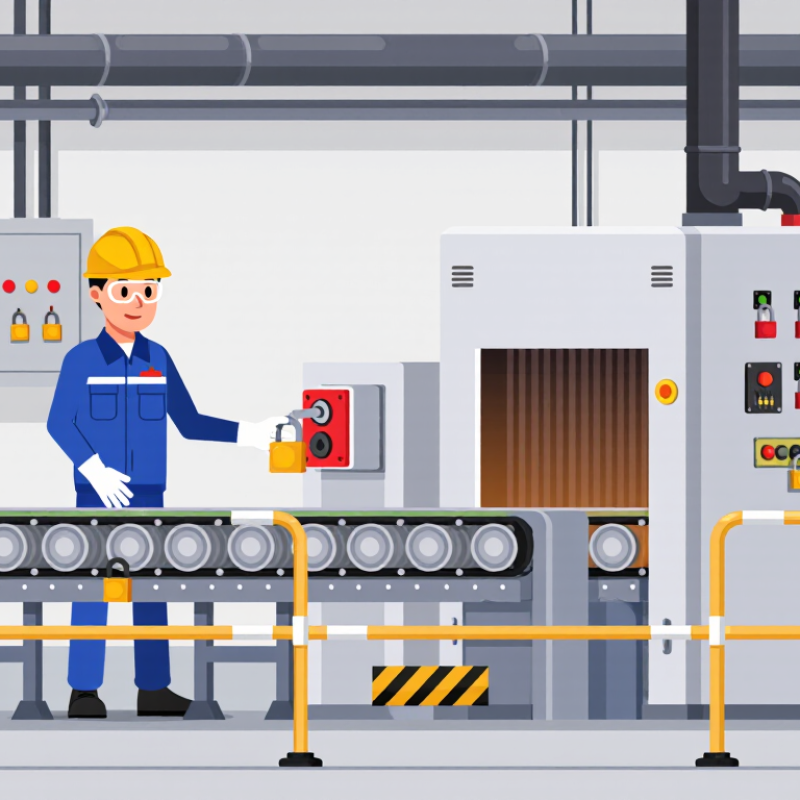
A press operator reaches toward a jammed conveyor. The motor is off, but stored energy can still move a belt, release pressure, or restart equipment. Safety Lockout addresses that hidden danger by isolating hazardous energy before maintenance begins. It is not just a padlock on a switch. It is a controlled process: identify energy sources, shut equipment down, apply personal locks and tags, release or restrain stored energy, and verify isolation.
Former OSHA administrator Dr. David Michaels has emphasized the importance of preventing workplace injuries through effective safety systems. A practical paraphrase of that principle is: “A machine is not safe just because its controls are off.” This is not a direct quotation. The distinction matters, because workers need clear procedures—not slogans. A qualified safety professional should assess each machine, its energy sources, and the steps required for safe servicing.
Good Safety Lockout procedures make responsibility visible. Each authorized worker applies their own lock, checks the isolation, and removes that lock only when their work is complete. A supervisor’s checklist may help, but it cannot replace hands-on verification. Small details matter: a mislabeled valve, a shared power source, or pressure trapped in a line can undermine the whole process. Lockout takes time. That can feel inconvenient during a production rush. Still, teams should review procedures regularly and investigate near misses without blame. The process may be imperfect; noticing gaps is part of making it safer.
What Safety Lockout Means in Hazardous-Energy Control
Why Is Safety Lockout Important for Workplace Safety?
What Safety Lockout Means in Hazardous-Energy Control
Safety lockout is a controlled way to keep hazardous energy from reaching equipment during servicing or repair. Energy may be electrical, hydraulic, pneumatic, thermal, or stored in a raised machine part. A worker isolates the relevant sources and applies a personal lock so the equipment cannot be restarted unexpectedly. A tag communicates the danger, but it does not physically stop energy. The distinction matters.
Lockout is not just a padlock on a switch. Workers need to follow the equipment-specific procedure, account for stored energy, and verify isolation before work begins. For example, a conveyor may have a disconnected supply but still contain tension or a moving part that can fall. Verification should use suitable methods and be performed by trained, authorized workers. Details can be easy to miss, especially when equipment has been modified. A procedure deserves review when the real setup no longer matches it.
Tips: Identify every energy source. Tell affected coworkers before shutdown. Apply your own lock. Release or secure stored energy, then verify the safe state. If anything seems unclear, pause and ask a qualified supervisor. It is tempting to hurry. Don’t.