Icon about-block-ico-1 Icon about-block-ico-2 Icon about-block-ico-3 Icon about-block-ico-4 Icon announcement-close Icon arrow-left Icon arrow-right Icon arrow-sm Icon asterisk Icon banner-transparent-vector Icon btn-callback-ico Icon careers-item-location Icon careers-item-time Icon careers-item-type Icon careers-mail-ico Icon careers-phone-ico Icon careers-search-ico Icon careers-single-hero-vector Icon careers-single-more-vector Icon careers-vector Icon check Icon close Icon dfm-image-left-vector Icon dfm-image-right-vector Icon document Icon download-popup-vector Icon dropdown Icon envelope Icon facebook Icon faq-banner-bg Icon faq-title-ico-active Icon faq-title-ico Icon featured-links-block-bg Icon figure-1 Icon figure-10 Icon figure-11 Icon figure-12 Icon figure-13 Icon figure-14 Icon figure-15 Icon figure-2 Icon figure-3 Icon figure-4 Icon figure-5 Icon figure-6 Icon figure-7 Icon figure-8 Icon figure-9 Icon file-upload Icon form-sidebar-back Icon form-step-done Icon gmap-marker-group-icon Icon gmap-marker-icon Icon header-profile-ico Icon instagram Icon link Icon linkedin Icon loader Icon mail Icon phone Icon play-yt Icon play Icon post-nav-arr-left Icon quote-banner-vector Icon quote-block-aside-vector Icon quote-contact-phone-ico Icon quote-contact-position-ico Icon sidebar-location Icon sidebar-phone Icon technology-banner-nav-left-vector Icon technology-banner-nav-right-vector Icon twitter Icon webinar-item-date-vector Icon whitepaper-img-ico-left Icon whitepaper-img-ico-right Icon whitepapers-listing-banner-ico Icon whitepapers-single-aside-vector Icon youtube Icon yt-play-button

How to Use Red Light Therapy on Your Face?

Red light therapy has become a familiar part of at-home skincare, yet a glowing panel does not guarantee glowing skin. This guide to How to Use Red Light Therapy on Your Face? explains how to approach Red Light Treatment Face routines with care, realistic expectations, and attention to device instructions. The aim is practical: know what to check before switching on a mask or handheld unit.

Photobiomodulation researcher Dr. Praveen Arany is often quoted as saying, “Light is a drug, and like any drug, it has to be used at the right dose.” That is a useful caution, not a promise of results. Devices differ in wavelength, output, coverage, and recommended exposure time. Evidence for cosmetic benefits is still developing, and results can vary. Not magic.

Before a session, start with clean, dry skin and read the manufacturer’s directions for distance and timing. Use eye protection when the device instructions call for it, and do not stare into bright LEDs. A short, consistent routine may be easier to follow than an ambitious schedule. Small steps matter. Stop if your skin feels unusually hot or irritated, and ask a dermatologist if you have a skin condition, strong light sensitivity, or questions about medicines that may increase sensitivity. This guide will cover preparation, safe use, and aftercare—while admitting one honest limitation: more sessions do not automatically mean better results.
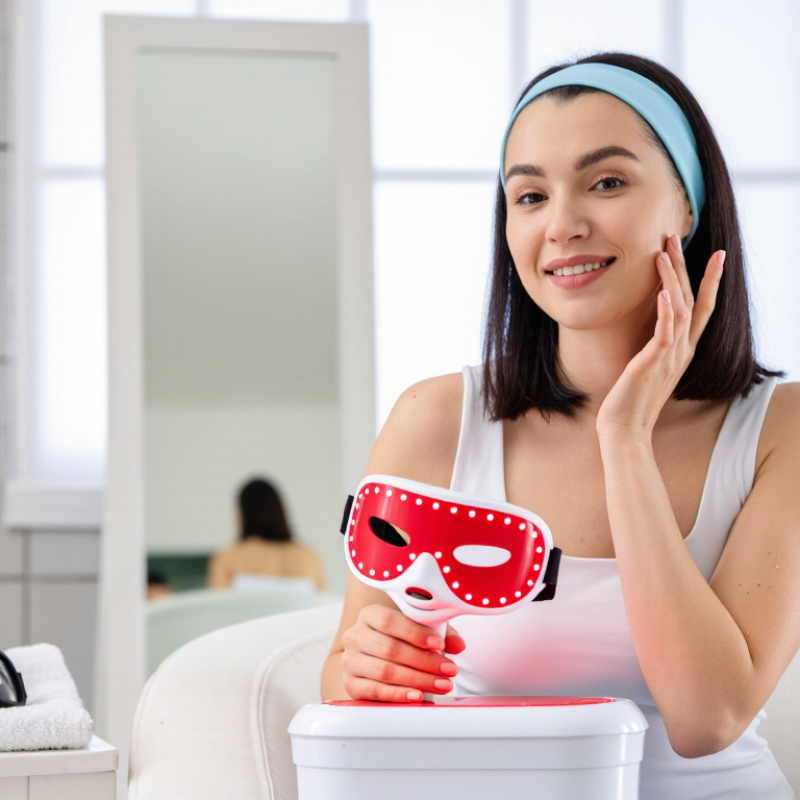
How to Use Red Light Therapy on Your Face?

How Red Light Therapy Works on Facial Skin

How to Use Red Light Therapy on Your Face?

How Red Light Therapy Works on Facial Skin

Red light therapy directs low-level red or near-infrared light toward the skin. Unlike ultraviolet light, it does not work by tanning or deliberately damaging the surface. Light may affect cellular energy processes and signals involved in inflammation and repair. Researchers are still studying exactly how these effects translate into visible changes.

Some studies suggest that repeated treatment may support collagen activity and soften the appearance of fine lines. Results are usually modest, not instant. A brighter-looking morning is not proof that collagen has changed.

For facial use, begin with clean, dry skin and follow the device’s distance and timing instructions. Different devices deliver different wavelengths and light intensity, so longer sessions are not automatically better. Protect your eyes as directed. The skin should not feel painfully hot. Stop if you notice persistent redness or discomfort.

Consistency matters, but so does patience; changes, if they occur, can take weeks. Red light therapy will not reliably erase deep wrinkles, acne scars, or uneven pigmentation. Evidence also varies between studies.

If you have an eye condition, a skin disorder, or take medication that increases light sensitivity, ask a qualified clinician before using it. It is reasonable to question bold promises.

Who May Benefit and Who Should Avoid It

How to Use Red Light Therapy on Your Face?

Who May Benefit and Who Should Avoid It

Red light therapy may suit adults seeking modest improvement in fine lines, redness, or skin texture. Some small clinical studies suggest benefits, but results vary, and evidence is still developing. It is not a replacement for sunscreen, prescribed treatment, or a dermatologist’s advice. People with persistent acne, rosacea, or unexplained skin changes should ask a qualified clinician before trying it.

Some people should pause and seek medical guidance. This includes anyone with a condition that causes light sensitivity, a history of eye disease, or medication use that increases sensitivity to light. Ask a clinician or pharmacist about your specific medicines; do not stop prescribed treatment on your own. Avoid treatment over irritated or injured skin unless a professional says it is appropriate. Eye safety matters. I would not assume that a device is harmless just because it feels gentle.

Tips: Follow the device instructions, use the recommended distance and session length, and protect your eyes as directed. Start cautiously, and stop if you notice burning, lasting redness, or discomfort. Take a clear photo before starting; skin changes can be subtle, and memory is not a reliable measuring tool.

How to Choose a Device and Prepare Your Skin

How to Use Red Light Therapy on Your Face?

Choose a device by checking its wavelength, treatment distance, and session guidance. Many facial devices use red light near 630–660 nanometers; some also include near-infrared light. These specifications help you compare devices, but they do not guarantee results. Look for clear safety instructions and independent testing information. More power is not automatically better. Small details matter.

Prepare your skin by removing makeup, sunscreen, and other products, then gently cleansing and drying your face. Clean, bare skin keeps the light unobstructed. Follow the device’s instructions for distance and timing, and use eye protection if advised. Begin with the recommended schedule rather than adding extra sessions.

If you take medication that increases light sensitivity, or have an eye or skin condition, ask a healthcare professional before use. Keep a simple note of session dates and any irritation; redness or discomfort is a reason to stop and reassess.

It can be tempting to expect quick changes. Results vary, and a device’s promises deserve careful scrutiny.

How to Use Red Light Therapy on Your Face

Begin with clean, completely dry skin; remove makeup, sunscreen, and oily products. Position the device as its instructions specify, and use the recommended session time and frequency. There is no universal dose: devices differ in wavelength, power, and design. Keep it simple. Wear eye protection if the instructions require it, and never stare into the LEDs. Consistency matters more than extending a session. If your skin feels hot, stings, or becomes unusually red, stop and seek medical advice if symptoms persist. People with photosensitivity, eye conditions, or medicines that increase light sensitivity should ask a qualified clinician before use.

A 2014 controlled clinical study in Photomedicine and Laser Surgery included 136 volunteers and examined red and near-infrared light for skin rejuvenation. The researchers reported improvements in several skin measures, but the study does not prove that every home device gives the same results. Be patient. Changes, if any, may take repeated use and can be subtle. I would not promise a dramatic “glow”; that expectation can lead people to overuse a device. Take a baseline photo in the same natural light, then compare after several weeks rather than judging your face each day.

How to Use Red Light Therapy on Your Face?

Step or Factor How to Use It Helpful Details
Choose a suitable device Select a device designed for facial use and follow its instructions. Red-light devices vary in wavelength, output, distance, and treatment time, so one schedule does not suit every device.
Check the light specifications Review the manufacturer’s stated wavelength and recommended treatment distance. Facial devices commonly use red light in the approximate 620–660 nm range; some also include near-infrared light. Specifications differ by product.
Prepare your skin Start with clean, dry skin and remove makeup, sunscreen, and other products if the device instructions call for bare skin. Do not use the device over products that its instructions say to avoid during treatment.
Position the device Place or hold it at the specified distance and keep it directed toward the treatment area. Do not press a device against your face unless it is specifically designed for contact use.
Protect your eyes Follow the device’s eye-safety directions and use the supplied eye protection when instructed. Do not stare into the light. Extra caution is appropriate for eye conditions or medicines that increase light sensitivity.
Follow the treatment schedule Use the exact session length and frequency stated in the device instructions. Treatment times vary by device. Longer or more frequent sessions are not automatically more effective.
Be consistent and patient Use the device regularly as directed and assess your skin over time. Results, if any, can vary by person and concern; at-home light therapy should not be expected to replace medical care.
Stop if irritation occurs Stop treatment if you experience pain, persistent redness, unusual warmth, or eye discomfort. Consult a healthcare professional before use if you have a skin or eye condition, take photosensitizing medication, or are unsure whether treatment is suitable for you.
Maintain your usual sun protection Continue using sunscreen and other appropriate sun-protection measures during the day. Red-light therapy does not replace sunscreen or other standard skincare and sun-protection practices.

Safety note: This guide is general information, not medical advice. Follow the instructions supplied with your device and ask a qualified healthcare professional about personal safety or skin concerns.

Treatment Frequency, Safety, and Expected Results

For facial red light therapy, consistency matters more than long sessions. Clinical schedules vary because devices deliver different wavelengths and energy levels.

In a controlled study of 136 volunteers, Wunsch and Matuschka used red or near-infrared light twice weekly for 15 weeks, then assessed skin changes. The study reported improvements in skin texture and wrinkle appearance, but its results do not guarantee the same outcome for every person. (Photomedicine and Laser Surgery, 2014.)

A cautious routine is two sessions weekly, following the device’s timing and distance instructions.

More is not better.

Expect gradual, modest changes, not an overnight lift.

Some people notice smoother-looking skin after several weeks; others see little difference. The evidence is not tidy: device settings and study methods vary, which makes results difficult to compare.

Mild warmth or temporary redness can occur. Stop if irritation persists, and use eye protection as directed.

Ask a dermatologist before treatment if you take medication that increases light sensitivity, have an eye condition, or are treating an unexplained facial spot. Take a clear photo in the same lighting every few weeks; bathroom lighting can fool you.

MSIRobot