
Top 10 Tips for Choosing Pkcell 18650 Battery for Your Needs
Choosing the right battery is crucial for your devices. The Pkcell 18650 Battery is a popular choice due to its versatility and performance. However, it's not always easy to make the right decision.
When selecting a Pkcell 18650 Battery, consider your specific needs. Different devices require different specifications. Some may need high capacity, while others require durability. Pay attention to the details, such as discharge rates and overall lifespan.
It’s important to note that not every Pkcell 18650 Battery will meet your requirements. Misunderstanding specifications can lead to poor performance. Think of the tasks your device will handle. Reflect on how often you'll use it and the environment it’ll be in. Choosing wisely will ensure better functionality and longevity.
Understanding the Basics of Pkcell 18650 Battery Specifications
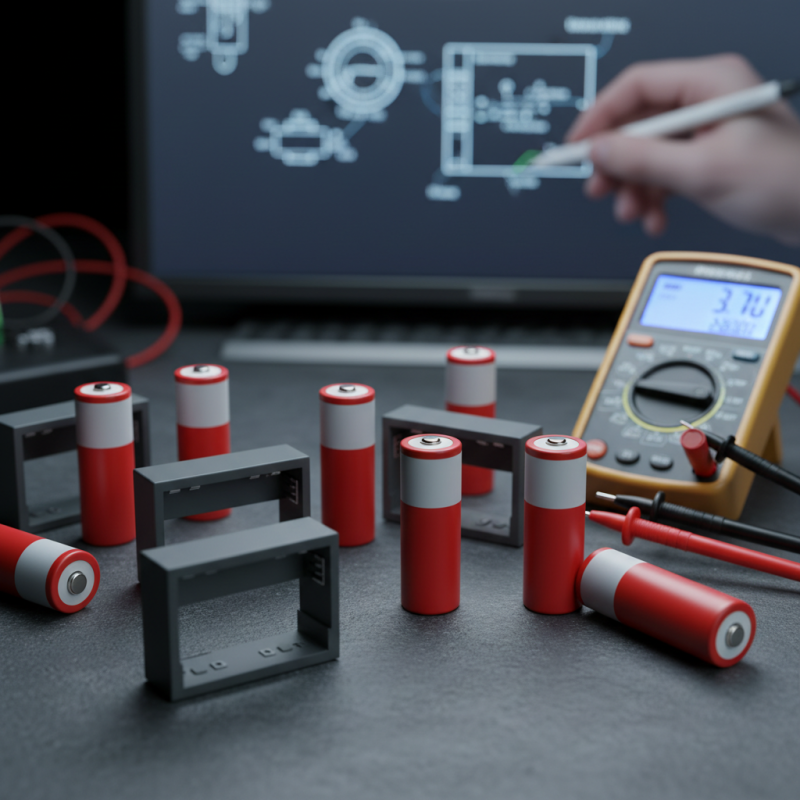
When selecting a 18650 battery, understanding specifications is crucial. Voltage, capacity, and discharge rate are key factors. Most 18650 batteries have a nominal voltage of 3.7 volts. This is essential for compatibility with devices. Capacity is measured in milliamp hours (mAh), indicating how long the battery will last. A higher mAh rating usually means longer use between charges.
Discharge rates can vary widely. Some batteries support high-drain applications, ideal for powerful devices. Others are meant for lower-demand uses. It's vital to match these specifications to your needs. A mismatch can lead to poor performance. Size and weight also matter. If a battery is too heavy, it might not fit in your device or be convenient to carry.
Additionally, paying attention to the manufacturer's details is wise. Look for any certifications or performance claims. Sometimes, these can be misleading. It's good to have realistic expectations. Testing batteries under different conditions may reveal performance issues. By examining each specification carefully, you can avoid future disappointments.
Top 10 Tips for Choosing 18650 Battery for Your Needs
| Tip | Description | Consideration |
|---|---|---|
| 1. Check Capacity | Look for batteries with higher mAh ratings for longer usage. | Higher capacity is ideal for high-drain devices. |
| 2. Consider Discharge Rate | Select batteries with appropriate continuous discharge ratings (C rating). | Higher C ratings are necessary for high-performance applications. |
| 3. Look for Protection Circuits | Choose protected batteries to avoid short circuits and overcharging. | Important for safety in devices with high power demands. |
| 4. Evaluate Cycle Life | Consider the number of charge/discharge cycles before performance drops. | Longer cycle life indicates better longevity. |
| 5. Examine Self-Discharge Rate | A lower self-discharge rate allows batteries to hold charge longer when not in use. | Essential for devices used intermittently. |
| 6. Assess Temperature Range | Check operating temperature ranges for compatibility with intended use. | Critical for devices exposed to extreme conditions. |
| 7. Verify Size Compatibility | Ensure battery dimensions fit the device's battery compartment. | Incorrect sizes can lead to operational issues. |
| 8. Research Brand Reputation | Look for trustworthy manufacturers known for quality and safety. | Brand reliability impacts performance consistency. |
| 9. Compare Prices | Evaluate price against features and expected lifespan. | Consider long-term value, not just initial cost. |
| 10. Read Reviews | Check customer feedback for real-world reliability and performance. | User experiences can highlight strengths and weaknesses. |