China Top USB Streaming Microphone Suppliers?
Choosing reliable China Top Usb Streaming Microphone Suppliers requires more than comparing prices on a product page. A professional buyer should examine factory experience, product consistency, communication, and after-sales support. This is especially important when the Usb Streaming Microphone will be used for podcasts, online teaching, gaming, or live broadcasts.
The strongest suppliers usually provide clear specifications, including condenser capsule type, pickup pattern, sampling rate, bit depth, frequency response, and monitoring options. Ask for real product photos, testing records, and a working sample before placing a larger order. A good sample should produce clean vocals beside a computer fan, keyboard, or untreated wall. Small details matter. The USB connector should fit securely, the mute button should respond smoothly, and the desk stand should resist vibration.
Factory audits, quality-control procedures, and recognized compliance documentation can improve purchasing confidence. However, certificates alone do not prove stable production. Buyers should also review packaging strength, defect-handling procedures, customization limits, minimum order quantities, and delivery schedules. Experienced suppliers can often support logo printing, retail packaging, firmware adjustments, or accessory changes, but every promise should appear in writing.
No supplier is perfect. A polished catalog may hide uneven batches or slow technical support. I would test several units from the same production run, not only one impressive sample. This guide compares leading China suppliers through practical evidence, product knowledge, and transparent verification, helping importers make a more informed decision.
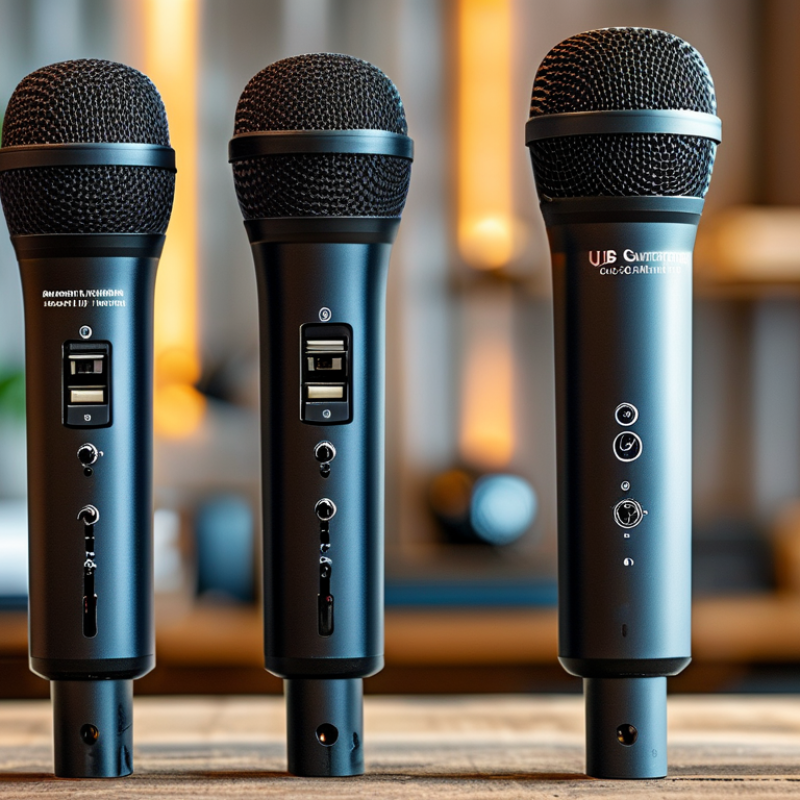
What Defines a Top USB Streaming Microphone Supplier in China?
A top USB streaming microphone supplier in China is defined by more than factory capacity. It combines acoustic engineering, stable production, and honest communication. During product evaluations, buyers should request frequency-response charts, polar-pattern data, and unedited voice recordings. These details show whether performance claims match real use. A polished sample is not enough.
Reliable suppliers explain capsule design, bit depth, sampling rate, gain control, and monitoring latency in practical terms. They should also describe testing for background noise, connection stability, and repeated USB plugging. A dependable supplier provides traceable inspection records and consistent samples across production batches. Clear documentation matters. It reduces costly surprises during livestreaming. Yet specifications alone can mislead. A sensitive microphone may capture keyboard clicks in a small room. A strong supplier discusses this weakness instead of hiding it.
Experience appears in small details, such as secure packaging, replaceable accessories, firmware support, and responsive engineering feedback. Suppliers with mature quality systems can explain rejected-unit handling and corrective actions. Buyers should test several samples, compare voices, and request a written pre-shipment standard. I would not judge a supplier from one impressive call. Factory visits, independent inspections, and stable after-sales communication provide stronger evidence. The best partnership may still require adjustment. Room acoustics and user habits change the result. That is worth admitting.
Key Product Features and Technical Specifications to Compare
China Top USB Streaming Microphone Suppliers?
Key Product Features and Technical Specifications to Compare
When comparing suppliers in China, examine the microphone’s pickup pattern, capsule type, and frequency response. Cardioid pickup usually reduces keyboard noise behind the microphone. A condenser capsule captures detail, but it may reveal room echo. Look for a 20 Hz–20 kHz response, while checking real test recordings. Numbers alone can mislead.
USB connection should support stable plug-and-play use across common operating systems. Check whether the microphone offers 16-bit or 24-bit depth, with a 44.1 or 48 kHz sample rate. Monitor latency matters during live speech. A headphone jack, mute button, gain control, and zero-latency monitoring improve daily control. Confirm the USB cable type, cable length, and connector durability. I have found that a metal grille can look strong, yet a weak desk stand still causes vibration.
Tips: Ask for a datasheet, polar-pattern chart, and unedited audio sample. Request a ten-minute continuous recording. Listen for hiss, popping, and volume changes. Also verify sensitivity, signal-to-noise ratio, maximum SPL, and the included shock mount. Supplier experience should include quality-control records, sample approval, and consistent batch testing. Do not rely only on attractive product photos. One overlooked detail can affect an entire streaming setup.
Leading Supplier Categories and Manufacturing Capabilities
China’s USB streaming microphone supply base includes several distinct supplier categories. OEM factories usually build to a buyer’s design, while ODM suppliers offer ready platforms with adjustable housings, controls, and firmware. Component-focused manufacturers may specialize in condenser capsules, USB audio boards, metal grilles, or shock mounts. Contract manufacturers combine these parts under one production plan. Trading suppliers can connect buyers with factories, but their technical depth varies.
Reliable manufacturers show measurable capabilities. Look for SMT production lines, controlled assembly areas, and microphone testing rooms. A capable factory can tune capsule sensitivity, reduce self-noise, and adjust polar patterns for speech, gaming, or podcast use. It should also support USB audio compatibility, gain control, mute functions, and headphone monitoring. Injection molding and CNC machining improve housing consistency. Acoustic tests should record frequency response, distortion, noise floor, and port stability. Sample results matter more than attractive brochures.
Quality control needs several checkpoints. Inspect incoming capsules, test assembled circuit boards, and check every finished unit before packing. Ask for records from repeated production batches, not one perfect sample. No supplier is perfect. A polished prototype can hide weak cable strain relief or unstable firmware. I have found that clear defect limits often reveal more professionalism than a low quotation. Some factories still rely heavily on manual tuning, which may increase variation. Buyers should review that risk before approving large-volume production.
Quality Control, Certifications, and Customization Options
Choosing among China’s top USB streaming microphone suppliers requires more than comparing prices. Quality control should begin with the capsule, circuit board, USB connector, and housing materials. Experienced suppliers provide incoming material records and assembly inspection reports. They should also test frequency response, sensitivity, self-noise, and plug-and-play stability.
Ask for certifications that match your sales market. Common documents include CE, FCC, RoHS, and ISO 9001 records. These documents need verification, not blind acceptance. Check the certificate holder, testing laboratory, product model, and expiration date. An independent laboratory can retest samples before mass production. This step adds cost, but it may reveal cable faults or unwanted electrical noise.
Customization can cover pickup patterns, gain controls, mute buttons, LED settings, firmware, packaging, and microphone stands. Request a working sample with your final logo placement and cable length. One factory sample may sound excellent, while a later batch performs differently. I have seen small acoustic changes affect voice clarity. That experience makes consistency testing essential. Keep approved samples, inspection limits, and packaging drawings in writing. Suppliers should also share corrective-action records when defects appear. No production line is perfect. The real question is how clearly it detects and fixes problems.
How to Evaluate Pricing, Support, and Export Reliability
China Top USB Streaming Microphone Suppliers?
Pricing is not just the factory quote. A serious comparison includes the microphone, USB cable, packaging, tooling, inspection, freight, duties, and payment fees. Ask for a cost sheet with each item separated.
According to Grand View Research, the global microphone market is projected to grow steadily through 2030. This growth can increase component demand and pricing pressure. A cheaper quote may hide weaker capsules or inconsistent quality. It happens more often than buyers expect.
Support should be tested before payment. Request a sample, wiring diagram, test report, and response-time agreement. Check whether the supplier can troubleshoot noise, driver conflicts, and damaged connectors remotely. The 2023 World Bank Logistics Performance Index evaluates customs, infrastructure, shipment quality, and delivery timeliness. Use these areas when reviewing export reliability.
Ask for recent shipping records, carton dimensions, product codes, and backup freight options. Documentation is boring, but missing details create expensive delays.
I would not trust polished certificates alone. They can be outdated.
Tips:
Compare landed cost, not unit price. Test three samples from different production dates. Confirm warranty exclusions in writing. Ask how replacement units are shipped. Review packaging drop-test evidence.
DHL’s Global Connectedness Report 2024 highlights the importance of resilient international supply chains, yet small suppliers may lack backup plans. That weakness deserves attention. A spreadsheet can look convincing, while one missing customs fee changes the decision.
