China Top 10 PCBA Manufacturing Companies to Buy From?
Choosing a PCBA supplier in China requires more than comparing online rankings or factory photos.
This guide examines ten companies through practical buying criteria, including engineering support, production capacity, quality controls, delivery records, and communication. We focus on pcba manufacturing experience across prototypes, small batches, and stable mass production. A capable supplier should explain its layer capability, component sourcing process, inspection stages, and change-control procedure.
Look for visible evidence.
That evidence may include AOI records, X-ray inspection, first-article reports, traceability labels, and current quality certifications. Certifications matter, but they do not replace process discipline. A polished website cannot confirm solder-joint reliability or long-term support.
The companies discussed here serve different needs, from rapid prototypes to automotive, medical, industrial, and consumer electronics. However, suitability depends on your design, risk level, order volume, and destination requirements. We compare technical communication, quotation clarity, DFM feedback, sample approval, packaging, and after-sales response.
Real purchasing decisions often turn on small details. Can the supplier flag insufficient pad spacing before fabrication? Can it identify a substituted component before assembly? Can it protect moisture-sensitive parts during shipment? These questions reveal operational maturity better than promotional language.
The list is a starting point, not a guarantee. Some public information may change, and supplier performance can vary by project team. Request recent documents, verify references, and begin with a controlled sample order. That step may feel slower. It often prevents expensive rework later. The goal is not merely to find a low-cost board, but a dependable manufacturing partner that earns trust through consistent results.
What Is PCBA Manufacturing and Why Does It Matter in China?
What Is PCBA Manufacturing and Why Does It Matter in China?
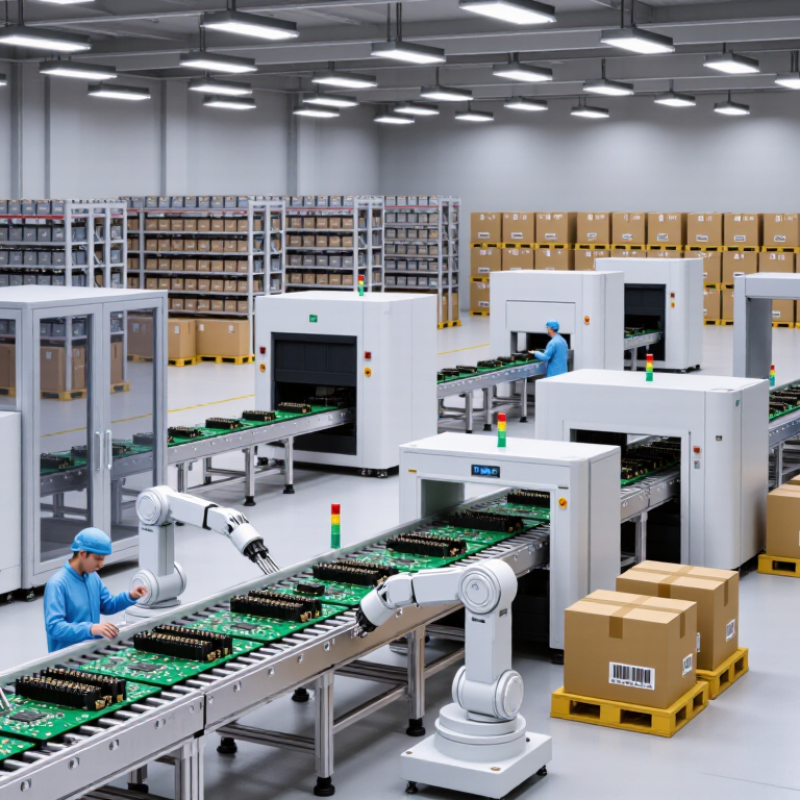
PCBA manufacturing turns a bare printed circuit board into a working electronic assembly. Technicians place resistors, chips, and connectors through surface-mount or through-hole processes. Solder paste, reflow ovens, automated optical inspection, and functional testing control the process. In practice, a small placement error can stop an entire product from booting.
China matters because its supply chain connects board fabrication, component distribution, assembly equipment, and testing services within one manufacturing region. Prismark’s 2024 industry overview reported that China represented nearly half of global PCB production value in 2023. Fortune Business Insights also projected the global PCB market to grow from about 89 billion dollars in 2023 through 2032. These figures suggest strong capacity, but capacity is not the same as quality.
Buyers should examine traceability, engineering support, yield records, and inspection coverage. A low quotation may hide tooling changes, test costs, or weak component controls. It happens. A reliable PCBA partner should verify incoming materials, record soldering parameters, and provide corrective-action reports. IPC-related process guidance is widely used across the industry, yet compliance claims still need evidence. Audit the factory, review sample boards, and challenge unclear data before approving mass production.
How to Evaluate China’s Top PCBA Manufacturing Companies
China’s large PCBA sector offers capacity, but size alone proves little. Prismark’s 2024 PCB Market Forecast Report estimates China produced about 55% of global PCB value in 2023. That scale can support competitive pricing and stable component access. However, buyers should examine process discipline, not factory photographs. Request recent yield data, defect classifications, and corrective-action records. Vague answers deserve attention.
A qualified supplier should explain its DFM review before quoting. Engineers should check solder-mask clearances, thermal reliefs, component spacing, and test-point access. Ask whether AOI, X-ray inspection, ICT, and functional testing match your board’s risks. Review calibration records and traceability from bare board to packed assembly. IPC standards provide useful benchmarks, but certification alone is not proof of daily performance.
Logistics also affects the real purchase price. The World Bank’s 2023 Logistics Performance Index ranked China 19th, scoring 3.7 out of 5. Still, regional transport, customs preparation, and export documentation can alter delivery reliability. Audit the factory remotely, then consider a physical visit. Speak with production operators, not only sales staff. No scorecard is perfect. I would also compare three months of pilot data before approving mass production, because an impressive sample can hide weak process control.
Key Services Offered by Leading Chinese PCBA Manufacturers
China’s leading PCBA manufacturers provide more than component placement. Their services often begin with design for manufacturability, or DFM, before production starts. Engineers review clearances, solder pads, thermal paths, and component availability. This practical check can prevent expensive board revisions later.
Many factories support rapid prototyping, small-batch builds, and high-volume SMT assembly. They may combine surface-mount technology with through-hole assembly for connectors and larger components. Automated optical inspection checks solder joints, while X-ray inspection examines hidden connections. Functional testing can simulate real operating conditions. Some manufacturers also provide firmware loading, cable assembly, enclosure integration, and complete box-build services.
Supply-chain support is another important service. Procurement teams verify approved parts, manage alternatives, and track batch information. Traceability records can link each board to operators, machines, materials, and inspection results. This strengthens quality control and makes investigations more practical. However, no factory is perfect. A detailed report does not replace clear communication with the customer. Rushed approvals, incomplete drawings, or changing specifications can still create delays. Experienced manufacturers usually offer engineering change control and pre-production samples to reduce these risks. Their reliability depends not only on equipment, but also on disciplined processes, honest feedback, and consistent testing.
China’s Top 10 PCBA Companies to Consider for Sourcing
When sourcing from China, a “top ten” PCBA list should be a practical screening tool, not a popularity contest. Strong candidates often combine PCB fabrication, component sourcing, SMT placement, through-hole assembly, testing, and box-build support. Ask each supplier for traceability records, production photos, sample reports, and current certifications. Request recent yield data, not only marketing claims. A capable factory can explain moisture-sensitive component control, solder paste storage, and electrostatic discharge protection. Details matter.
Before choosing among ten companies, send identical Gerber files, BOMs, assembly drawings, and annual volume estimates to each team. Compare engineering feedback, quotation clarity, lead-time assumptions, and responses to obsolete or substituted parts. Review AOI coverage, X-ray access, ICT or functional testing, and defect documentation. For prototypes, small pilot runs can reveal feeder errors, polarity mistakes, or weak communication. I have found that fast replies do not always indicate strong process control. That is easy to overlook. Also verify export documents, packaging methods, and change-control procedures.
Reliable sourcing depends on evidence collected over time. Schedule a video audit or independent factory inspection when possible. Check whether incoming inspection, line clearance, and final sampling happen consistently. Ask for corrective-action reports with root causes and measurable deadlines. Pricing still matters, but an unusually low quote may exclude testing, tooling, or engineering support. Some evaluations remain imperfect because factory data can change between audits. Keep a scoring sheet and reassess the shortlist after samples, not promises.
China PCBA Sourcing Priorities: Reference Scorecard
This reference scorecard highlights the main dimensions buyers typically review when sourcing PCBA manufacturing in China. Quality systems and manufacturing capability receive the highest weighting because they directly affect product reliability, regulatory compliance, and production scalability.
How to Choose the Right PCBA Manufacturing Partner
Choosing a PCBA manufacturing partner requires more than comparing quoted prices. The right supplier should demonstrate stable process control, traceable materials, and clear technical communication. Request recent audit records, production samples, and inspection evidence from solder paste printing through final testing. Review capability for component sourcing, fine-pitch packages, prototypes, and volume changes. A low-cost quote may become expensive after rework, delays, or redesigns.
Ask how the factory manages engineering changes, nonconforming boards, and corrective actions. Strong partners provide measurable details, including defect rates, test coverage, response times, and delivery performance. Confirm relevant quality systems and IPC-based workmanship criteria. Check whether certificates cover the actual production facility. A video tour helps, but an on-site audit reveals storage humidity, labeling discipline, and operator training. No checklist is perfect. Early samples can look unusually polished, so further validation remains necessary.
Tips: Compare at least three suppliers using identical drawings and bills of materials. Request a pilot run before committing to volume. Put revision control, inspection standards, approved substitutions, confidentiality, and remedy terms in writing. Keep technical communication in one shared record. Small details matter.