How to Choose the Right Drop Cable for Your Needs?
Selecting the right Drop Cable is crucial for ensuring optimal performance in your network setup. The decision can feel overwhelming with various types and specifications available. Factors such as distance, installation environment, and data transmission requirements play a significant role in your choice.
Understanding the specifications of Drop Cables is essential. Different cables are designed for specific applications. For example, outdoor cables often have added protection against moisture and UV rays. Meanwhile, indoor cables focus more on flexibility and ease of installation. Your individual needs will help narrow your options.
Consider consulting with professionals or reviewing trusted resources. Misinformation can lead to poor choices that affect your network's reliability. Learning from experiences and expert insights will guide you. Choosing the right Drop Cable isn’t merely about preference; it’s about meeting your specific demands efficiently.
Understanding the Different Types of Drop Cables Available in the Market
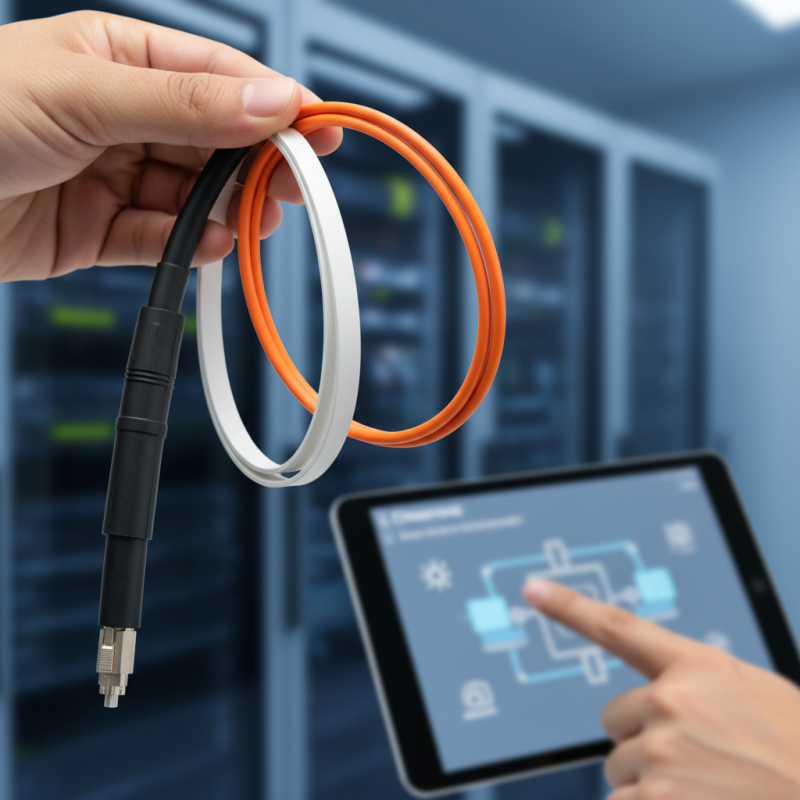
When selecting a drop cable, it’s essential to understand the various types available. Drop cables vary significantly in construction and application. Common types include fiber optic cables and coaxial cables. Fiber optic cables are preferred for high-speed internet connections. They transmit data using light, allowing for faster speeds over long distances. Coaxial cables are mainly used for cable television and internet services. They are more durable but may not provide the same speed.
Consider the environment where the cable will be installed. Indoor cables are usually different from outdoor cables. Outdoor cables need additional protection against moisture and temperature changes. The installation process also varies by cable type. Some require specialized tools, while others are more user-friendly. Keep in mind that improper installation can lead to poor performance.
It can be confusing to choose the right drop cable, especially with so many options. User feedback can offer useful insights but may reflect biases. Researching expert opinions helps too. Understand that trade-offs exist. Sometimes, a cheaper option may not meet your needs as well as a higher-end product. A careful evaluation of your specific requirements is essential for making the right choice.
How to Choose the Right Drop Cable for Your Needs?
| Cable Type | Typical Use | Length | Max Data Rate | Material |
| Single Mode Fiber | Long-distance communication | Up to 10 km | Up to 100 Gbps | Glass |
| Multi-Mode Fiber | Short-range communication | Up to 300 m | Up to 40 Gbps | Glass |
| Coaxial Cable | Cable TV and internet | Up to 100 m | Up to 1 Gbps | Copper |
| Ethernet Cable (Cat 6) | Local area networking | Up to 100 m | Up to 10 Gbps | Copper |
| Fiber Optic Ribbon Cable | High-density applications | Customization available | Up to 100 Gbps | Glass |
Evaluating Cable Specifications: Importance of Length, Thickness, and Material
Choosing the right drop cable is a crucial decision. Evaluating the specifications is essential. Length, thickness, and material significantly impact performance. A longer cable can result in signal loss. For many, this is an overlooked aspect. Aim for the right balance to avoid issues.
Thickness plays a role in durability and flexibility. Thicker cables often withstand wear better. Yet, they may not fit well in tight spaces. This is a common challenge for homeowners. Understanding your installation environment is key to making the right choice.
Material choice is another crucial factor. Different materials affect signal transmission quality. Common options include copper and fiber. Each has pros and cons. Some users focus solely on price, but this can lead to problems later. Reflect on these choices carefully to ensure effective performance.
Assessing Environmental Considerations: Indoor vs Outdoor Drop Cables
When considering drop cables, environmental factors play a vital role. Indoor and outdoor applications require different cable types. Indoor drop cables often lack robust insulation. This makes them suitable for protected environments. They are easier to install and less expensive.
Outdoor drop cables, on the other hand, are built to withstand harsh conditions. They feature durable casings that resist moisture and UV damage. Using outdoor cables indoors may seem cost-effective but can lead to premature failure. They are designed to cope with temperature fluctuations and physical stress.
Tips: Always check the specifications before purchasing. Look for cables rated for the specific installation environment. Ensure you consider potential challenges, like rodents or extreme weather. Choose based on where the cable will be used, not just the price. This approach fosters long-term reliability and performance.
Comparison of Indoor vs Outdoor Drop Cables
Recognizing Industry Standards and Certifications for Quality Assurance
When choosing a drop cable, understanding industry standards is crucial. These standards ensure that cables perform reliably and safely. Look for certifications such as ISO and TIA. These labels indicate that the product has undergone rigorous testing. Quality assurance is vital, especially in critical applications like data centers or telecommunications.
It's essential to reflect on the credibility of the certifications. Some cables may carry labels but fail to meet actual performance metrics. Always investigate the testing processes behind these certifications. Not all manufacturers adhere to the same strict guidelines. This inconsistency can impact overall quality.
In real-world applications, users might overlook the importance of these details. A relatively cheap cable may seem appealing but could lead to issues later. This can result in costly downtime or data loss. Thus, investing in a well-certified drop cable pays off in the long run. Prioritize cables that adhere to recognized standards for peace of mind and reliability.
Calculating Cost vs Performance: Making an Economical Choice for Your Needs
When selecting a drop cable, understanding cost versus performance is crucial. A reliable cable often comes with a higher price tag. However, the most expensive option isn't always the best fit for your needs. It’s essential to assess your requirements before diving into choices.
You might be tempted to skimp on costs. It’s a common mistake that can lead to poor performance and additional expenses later. For example, inferior cables can result in signal loss and downtime. In many cases, evaluating the environment, such as outdoor vs. indoor use, can help guide your decisions. Ensure the cable material suits the application.
Consider your usage patterns and future needs. Short-term savings might not justify long-term performance issues. Sometimes, workshops or online resources can provide insights into expected durability and efficiency. If you're unsure, consulting with professionals can offer clarity. Aim for a balanced choice that satisfies both budget and performance criteria, avoiding hasty decisions based solely on price.
