Top Tips for Choosing Spring Energized Seals for Your Needs?
When it comes to sealing solutions, Spring Energized Seals stand out for their unique capabilities. These seals are engineered to provide exceptional performance under varying temperatures and pressures. Choosing the right Spring Energized Seal can significantly impact the efficiency and longevity of your machinery.
Understanding your specific application is essential. Consider the environment—like temperature ranges and chemical exposure. Each factor influences seal selection. Quality is paramount; opting for reputable manufacturers ensures reliability and durability. There’s no one-size-fits-all solution, making informed choices crucial.
The seal's design and material also matter greatly. You may need to experiment with different options to find the most effective fit. This process might reveal inefficiencies in your current methods. Not every decision leads to perfect outcomes. Reflecting on what works best for your needs is a journey worth taking.
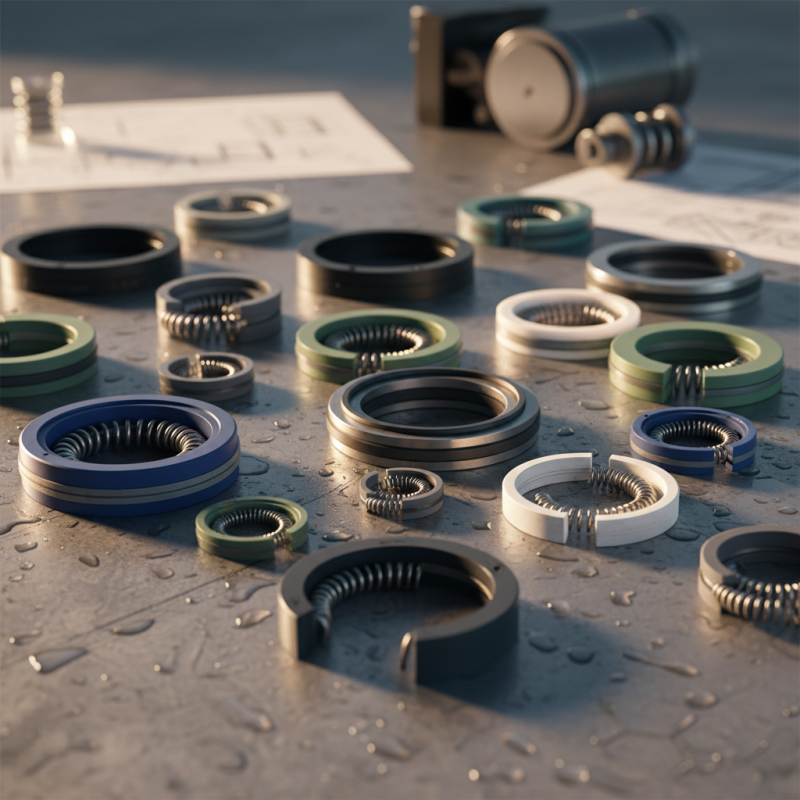
Understanding the Role of Spring Energized Seals in Applications
Spring energized seals play a critical role in various industrial applications. They provide reliable sealing solutions in extreme conditions. These seals are critical in environments where traditional seals fail. High temperatures and aggressive media present specific challenges. Reports indicate that improperly selected seals can lead to increased downtime and maintenance costs.
When considering spring energized seals, it’s vital to assess the specific requirements of your application. Understanding material compatibility with the media is essential. Insights show that seals made from fluoropolymers often perform better in chemical environments. Another factor is the seal’s groove design. A well-designed groove enhances the seal's ability to hold pressure, ultimately prolonging its life.
Tip: Always analyze operating conditions before choosing a seal.
Regular inspection and maintenance should not be overlooked. Some users neglect regular checks, leading to seal failures. This can lead to increased operational costs. Choosing the right seal based on detailed application needs is crucial.
Tip: Consult with sealing experts to understand material choices better.
Key Factors to Consider When Selecting Spring Energized Seals
When selecting spring energized seals, understanding the operating environment is critical. Factors such as temperature, pressure, and chemical compatibility greatly influence seal performance. According to industry reports, improper material selection can lead to seal failure in more than 30% of cases, negatively impacting equipment reliability. For instance, high temperatures may cause certain elastomers to harden, resulting in leaks.
Another vital consideration is the seal’s design and geometry. Different applications require specific shapes and profiles for optimal sealing effectiveness. The right design can enhance fluid retention, which is vital in dynamically applications. Research indicates that seals designed for exact compressive loads can extend service life by up to 50%. However, not all applications are straightforward. Engineers must often navigate challenges like space limitations and mounting configurations, making careful design choices essential.
Material choice is also paramount. Poor-quality materials can result in premature wear, leading to costly downtime. Engineers often turn to advanced materials like PTFE or PEEK, which offer excellent chemical resistance and durability. Yet, these options come with a higher cost, requiring a cost-benefit analysis. Balancing initial investment with long-term performance is crucial. Failing to do so may lead to budget overruns and project delays.
Different Types of Spring Energized Seals and Their Uses
Spring energized seals are essential in various industries. They come in different types, each suited for specific applications. Common types include PTFE seals, elastomer seals, and hybrid seals. PTFE seals resist high temperatures and harsh chemicals. They are ideal for aerospace and pharmaceutical sectors.
Elastomer seals, often made from rubber, offer excellent flexibility and sealing capabilities. They function well in dynamic applications, such as in automotive engines and hydraulic systems. Hybrid seals combine the best features of both PTFE and elastomers, providing enhanced durability in extreme conditions.
According to industry reports, up to 40% of machinery downtime is related to seal failures. Selecting the right type can significantly reduce maintenance costs. Engineers often grapple with the challenges of choosing materials based on environmental conditions and operational pressures. It requires a careful balance, as each seal type has its own strengths and limitations. Testing in real-world conditions is essential for optimal performance, revealing weaknesses that theoretical data may overlook. This iterative process enhances reliability and effectiveness in the field.
Materials and Design Features Impacting Seal Performance
When selecting spring energized seals, material and design features are crucial for optimal performance. Different materials offer varied advantages. For instance, elastomers are flexible but might not withstand high temperatures. Meanwhile, polymers can handle extreme environments but might lack elasticity. It’s essential to analyze the specific conditions your seals will face.
Consider the design features as well. A proper geometry can enhance sealing effectiveness. A poorly designed seal may lead to premature failure. Look for seals with precise dimensions that fit your application tightly. Always check the sealing surface's finish; a smooth surface can significantly improve seal life.
Tips for choosing the right seal include evaluating the operating temperature range. Ensure the seal material can handle the extremes. Also, assess chemical compatibility. Incompatible chemicals can degrade seal performance quickly. Finally, always think about installation methods, as improper installation can create leaks, negating all the advantages of your well-chosen seal. Attention to these details can lead to better durability and functionality of your seals.
Maintenance Tips for Ensuring Longevity of Spring Energized Seals
When maintaining spring energized seals, regular inspections are crucial. Check for signs of wear or damage. Small cracks or degradation can lead to failure. Pay attention to the seal's seating. Misalignment can cause leaks. A well-seated seal ensures optimal performance and longevity.
Proper lubrication is another essential practice. Use compatible lubricants to reduce friction. Insufficient lubrication can lead to premature wear. Too much friction can generate heat, affecting the seal's integrity. Find the right balance for optimal function. Periodically clean the area around the seals, as foreign particles can cause abrasion.
Temperature control plays a key role in seal lifespan. Extreme heat or cold can impact material performance. Ensure the operating environment stays within the recommended range. If temperatures fluctuate, invest in monitoring systems. Regular data assessment can prevent unexpected failures. The life of a seal often reflects the care it receives.
Top Tips for Choosing Spring Energized Seals
This chart illustrates the importance levels of various factors to consider when choosing spring energized seals. Each factor is rated on a scale from 1 to 10, helping users understand which aspects are most critical for effective seal performance and longevity.
