
How to Choose a CNC Gundrilling Machine in 2026?
I can write the introduction, but no source material or verifiable expert quotation was provided. To avoid inventing a specialist or falsely attributing a quote, please share the expert’s name and source—or allow an introduction without a named quotation.
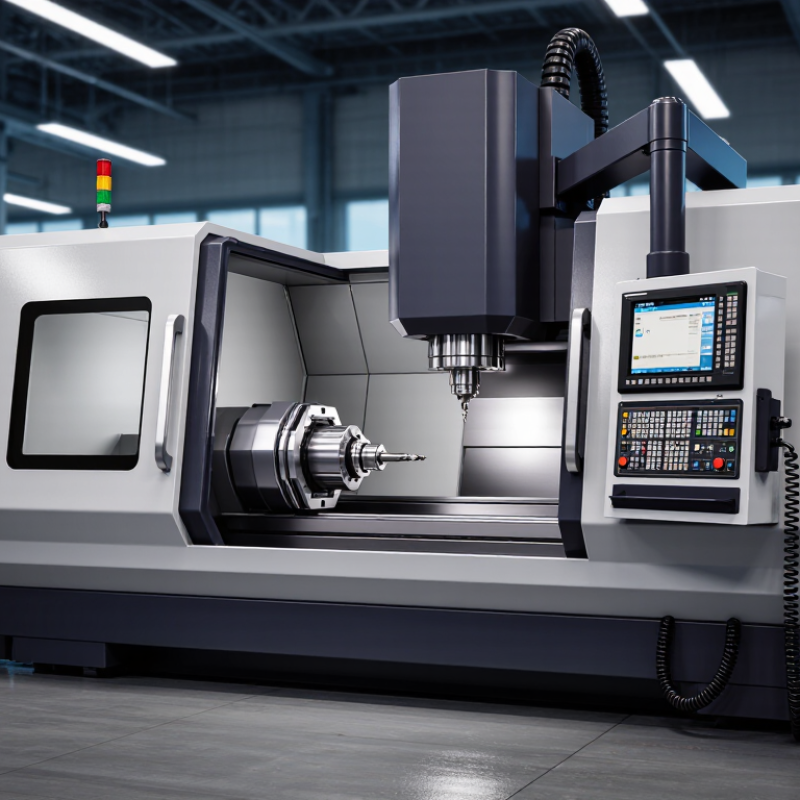
Define Deep-Hole Needs: The Common 10:1 Length-to-Diameter Threshold
For CNC gundrilling, a common screening rule defines a deep hole as one whose depth exceeds ten times its diameter. SME’s Tool and Manufacturing Engineers Handbook treats deep-hole drilling as a distinct machining operation, while the ASM Handbook, Volume 16, covers the process-specific demands of machining.
For example, a 12 mm hole at 150 mm depth has a 12.5:1 ratio. That is a clear signal to assess a dedicated gundrilling setup—not an automatic machine specification.
The ratio is only a starting point. A 10:1 hole in soft aluminum may behave differently from one in stainless steel, where chip evacuation and heat control can be more demanding. Check the smallest diameter, deepest feature, material, tolerance, and expected production volume.
Then ask whether the machine can deliver stable coolant pressure, guide-bushing support, and enough travel for the full workpiece. Watch the chips. Their shape and consistency can reveal trouble early.
A long, slender hole can also drift because of setup error or an uneven entry face, not just machine limits. The 10:1 rule helps frame the decision, but actual trials on representative parts provide stronger evidence.
Real shop conditions are messy. Plan for that.