Choosing the right Universal Beam supplier can shape a project’s safety, schedule, and total cost. Global buyers often compare price first. That is understandable, but incomplete. Steel quality, dimensional accuracy, documentation, and delivery control deserve equal attention. A low quotation may hide extra cutting, port delays, or inconsistent batches.
This guide reviews ten Universal Beam suppliers serving international construction and engineering markets. The evaluation considers manufacturing capacity, product range, steel grades, certifications, inspection systems, and export experience. It also examines practical details, such as mill test certificates, bundle markings, corrosion protection, and loading methods. A reliable supplier should explain whether beams meet recognized standards, including EN, ASTM, or equivalent specifications. Clear answers matter. So does consistent communication across time zones.
No supplier is perfect. That matters. Some companies offer excellent pricing but limited stock. Others provide strong technical support but longer production times. Buyers should match supplier capabilities with project requirements, not rely on rankings alone. A bridge contractor may need strict traceability and third-party inspection. A warehouse builder may prioritize standard sizes and dependable delivery. Local import rules, freight routes, and customs documents can also influence the final choice.
The following selection is designed to support careful comparison. It draws on procurement realities, technical considerations, and supplier credibility rather than advertising claims. Buyers should still verify current certifications, references, lead times, and payment terms before placing an order. Small checks prevent expensive surprises. Even experienced purchasing teams can overlook one detail.
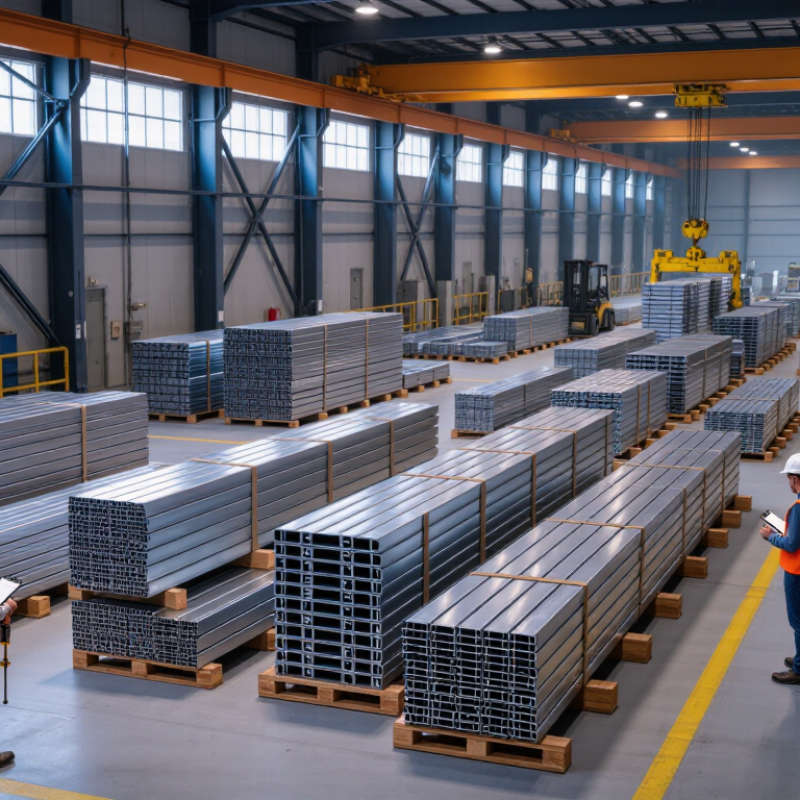
Reliable universal beam suppliers do more than quote a low price. They provide consistent sections, accurate dimensions, and clear material documentation. Global buyers should check mill certificates, heat numbers, production standards, and third-party inspection options. A dependable supplier can explain flange width, web thickness, steel grade, and weight tolerance without vague answers.
Practical experience matters. Ask how beams are stored, bundled, marked, and protected against moisture during ocean transport. Photos of real stock can reveal bent edges, surface rust, or unclear labels. Delivery records also matter. A supplier with stable lead times, responsive communication, and traceable documents reduces project delays. Still, no supplier is flawless. Even experienced buyers should verify every shipment independently.
Tips: Request a sample certificate before placing a large order. Compare the certificate with the actual beam markings. Confirm dimensions using calibrated tools when possible. Discuss packaging, inspection timing, payment stages, and replacement procedures in writing. Ask for references from buyers with similar construction requirements. A short factory video may help, but it cannot replace inspection. Some buyers overlook communication quality. That mistake can become expensive when specifications change across time zones. Reliable suppliers welcome technical questions, admit limitations, and provide realistic answers instead of promising everything.
The 10 best universal beam suppliers serve different project priorities. Mill-direct producers offer stable specifications and large-volume capacity. Regional stockists provide faster delivery and flexible quantities. Certified fabricators add cutting, drilling, and custom preparation. Export specialists understand documentation, packing, and port handling. Service-center suppliers support mixed orders and urgent replacements. Structural steel distributors often provide broad size ranges. Rebar-focused companies may offer competitive pricing but limited beam selection. Engineering-led suppliers help verify loading requirements. Recycled-steel producers can support lower-impact purchasing. Small specialist workshops may deliver excellent customization, though capacity can fluctuate.
Tips: Compare mill certificates, section dimensions, steel grade, and production tolerances. Ask for recent inspection records, not only standard brochures. Confirm whether pricing includes cutting, coating, inland transport, and export packaging. Request a realistic lead time with production and shipping separated. A clear replacement policy also matters when beams arrive damaged or incorrectly marked.
Experienced buyers usually test suppliers with a small order first. This reveals communication speed, labeling quality, and packing discipline. Inspect beam surfaces for deep rust, dents, twisting, or inconsistent markings. Digital documents are useful, but physical verification remains important. I have found that the cheapest quotation can hide costly handling details. Supplier rankings should therefore reflect reliability, technical support, and delivery performance, not price alone.
| Rank | Anonymous Supplier Profile | Primary Supply Region | Common Beam Standards | Typical Steel Grades | Typical UB Size Coverage | Core Strength | Best Fit for Global Buyers |
|---|---|---|---|---|---|---|---|
| 1 | Supplier Profile A | Western Europe | EN 10365; EN 10025-1; EN 10025-2 | S235JR, S275JR, S355JR, S355J2 | Approximately 127 × 76 × 13 to 914 × 419 × 388 | Broad European standard coverage and reliable technical documentation | Infrastructure, commercial buildings, and specification-driven projects |
| 2 | Supplier Profile B | East Asia | EN 10365; ASTM A6/A6M; JIS G3192 | S275JR, S355JR, SS400, ASTM A36 | Approximately 127 × 76 × 13 to 838 × 292 × 176 | High-volume production and competitive container-loading options | Importers seeking large quantities and cost-efficient ocean freight |
| 3 | Supplier Profile C | North America | ASTM A6/A6M; ASTM A992; ASTM A572 | ASTM A36, A572 Grade 50, A992 | W-shape ranges commonly used for structural framing | Strong compliance with North American structural design requirements | Projects designed under U.S. or Canadian engineering codes |
| 4 | Supplier Profile D | Middle East | EN 10365; EN 10025; ASTM A6/A6M | S275JR, S355JR, S355J2, ASTM A36 | Approximately 152 × 89 × 16 to 610 × 229 × 140 | Regional distribution, project stockholding, and shorter delivery routes | Gulf construction, industrial facilities, and regional contractors |
| 5 | Supplier Profile E | South Asia | EN 10365; BS 4-1; ASTM A6/A6M | S275JR, S355JR, ASTM A36, ASTM A572 Grade 50 | Approximately 127 × 76 × 13 to 610 × 229 × 140 | Flexible order quantities and fabrication-support services | General engineering, warehouses, mezzanines, and fabricated structures |
| 6 | Supplier Profile F | Southeast Asia | EN 10365; ASTM A6/A6M; JIS G3192 | S275JR, S355JR, SS400, ASTM A36 | Approximately 152 × 89 × 16 to 533 × 210 × 122 | Export packaging, mixed-size orders, and port-oriented logistics | Regional distributors and buyers consolidating several beam sizes |
| 7 | Supplier Profile G | Central and Eastern Europe | EN 10365; EN 10025-2; EN 10204 | S235JR, S275JR, S355JR, S355J2 | Approximately 140 × 73 × 13 to 610 × 229 × 140 | Mill certificates, traceability, and strong quality-control procedures | Public works, certified steel structures, and regulated procurement |
| 8 | Supplier Profile H | Australia and Oceania | AS/NZS 3679.1; EN 10365; ASTM A6/A6M | 300, 350, and 400 MPa structural grades; S355JR | Common UB sections for building, mining, and infrastructure work | Regional compliance knowledge and dependable project scheduling | Australian, New Zealand, and Pacific-region construction projects |
| 9 | Supplier Profile I | Latin America | EN 10365; ASTM A6/A6M; local structural standards | S275JR, S355JR, ASTM A36, ASTM A572 Grade 50 | Approximately 152 × 89 × 16 to 533 × 210 × 122 | Local-language service, regional delivery, and project-based sourcing | Mining, energy, industrial buildings, and regional infrastructure |
| 10 | Supplier Profile J | Global Stockholding Network | EN 10365; ASTM A6/A6M; EN 10204 | S275JR, S355JR, ASTM A36, ASTM A992 | Popular light, medium, and heavy UB sections subject to stock | Fast quotation, stock visibility, cutting, and international forwarding | Urgent replacement orders, maintenance work, and small-to-medium projects |
For global buyers, the best universal beam supplier is not always the cheapest. Start with documented quality. Request mill test certificates showing yield strength, tensile strength, chemical composition, heat numbers, and ultrasonic inspection results. Compare these records with the required EN 10025-2, ASTM A6, or equivalent specification. World Steel Association data reports 1,892.1 million tonnes of crude steel production in 2023, but volume alone does not prove beam consistency. Ask how the supplier controls rolling temperature, dimensional tolerances, straightness, and surface defects.
Specifications must match the drawing, not merely the product name. Check section depth, flange width, web thickness, mass per metre, steel grade, length tolerance, and coating requirements. A small dimensional difference can affect connection plates and structural calculations. I still distrust the cheapest quote. It may exclude testing, certificates, export packing, or port handling. Compare the price per tonne after adding these costs. Use recent market references carefully, because regional energy, scrap, and freight conditions can change quotations quickly.
Lead time needs evidence. Ask for production capacity, confirmed rolling windows, inspection dates, and shipping schedules. UNCTAD’s Review of Maritime Transport 2024 notes that maritime shipping carries over 80% of global merchandise trade by volume, so port congestion can disrupt an otherwise realistic schedule. Request a written delivery plan with buffer days. Shorter is not always better. A supplier offering ten-day dispatch without stock proof deserves another question. My own comparison would score quality records, specification accuracy, landed cost, and delivery reliability separately. That exposes weak assumptions.
International Standards, Certifications, and Export Requirements
For global buyers comparing universal beam suppliers, compliance starts with the purchase specification. EN 10025 covers structural steel grades used across many European projects. ASTM A6 defines dimensional and delivery requirements for American sections. ASTM A572 covers higher-strength structural steel. Suppliers should state the exact grade, section tolerance, impact class, and surface condition. A vague “equivalent grade” creates risk.
World Steel Association data reported global crude steel production at about 1.89 billion tonnes in 2023. This scale supports broad availability, but it also increases documentation differences between mills. Request an EN 10204 3.1 inspection certificate, heat number traceability, chemical analysis, and mechanical test results. For fabricated members, EN 1090-1 execution requirements and the applicable CE marking route may be necessary in European markets. Requirements can change by destination.
Export paperwork deserves equal attention. Commercial invoices, packing lists, certificates of origin, and accurate customs classification should match the beam description. Structural sections commonly fall under HS heading 7216, but classification must be checked locally. Confirm loading photographs, bundle weights, marking methods, and moisture protection before shipment. A supplier may hold a valid certificate, yet the certificate might not cover your precise grade or production batch. That uncomfortable detail is often missed. Third-party inspection can expose gaps before the beams leave the port.
Choosing the right universal beam supplier starts with your project’s actual load, span, connection design, and installation conditions. Do not select solely by the lowest quoted price. Ask for beam dimensions, steel grade, production tolerance, surface condition, and applicable testing standards. A technically confident supplier should answer clearly and provide mill certificates, inspection records, and heat-number traceability.
Delivery performance matters as much as steel quality. Check whether the supplier keeps the required profiles in stock or produces them after purchase. Confirm lead times, cutting services, bundle weights, loading methods, and export packaging. A practical supplier will explain how beams are protected from moisture, distortion, and handling damage during transport. Request references from projects with similar quantities and structural demands.
Communication exposes weaknesses quickly. Compare the accuracy of quotations, drawing reviews, and responses to technical questions. Hidden costs can include cutting, coating, port handling, storage, and replacement of damaged sections. Review payment terms and quality responsibilities before approval. Small details matter. A supplier may appear reliable yet struggle with urgent changes or incomplete drawings. Allow time for an independent inspection when the project risk justifies it. The perfect supplier may not exist, so record each compromise and decide whether it affects safety, schedule, or total cost.
MSIRobot