What is the Best Rotameter Flow Meter for Your Needs?
Selecting the right Rotameter Flow Meter is crucial for various industries. According to the American Society of Mechanical Engineers, accurate flow measurements can enhance system efficiency by up to 25%. This metric highlights the importance of choosing a suitable flow meter. With many types available, understanding specific application needs is essential.
Recent reports indicate that the global flow meter market is projected to reach $10 billion by 2027. Among these, Rotameter Flow Meters are favored for their simplicity and accuracy. They provide real-time flow measurements, which are vital for process control. However, not all Rotameters perform equally. Factors such as fluid characteristics and installation settings affect their reliability.
Choosing the best Rotameter Flow Meter requires careful evaluation. Users must consider maintenance needs and environmental conditions. Some Rotameters may not perform well in extreme temperatures or pressures. Reflecting on past experiences is key to making informed decisions. Investing time in understanding your requirements will ultimately enhance operational efficiency.
Understanding Rotameters: Principles and Types
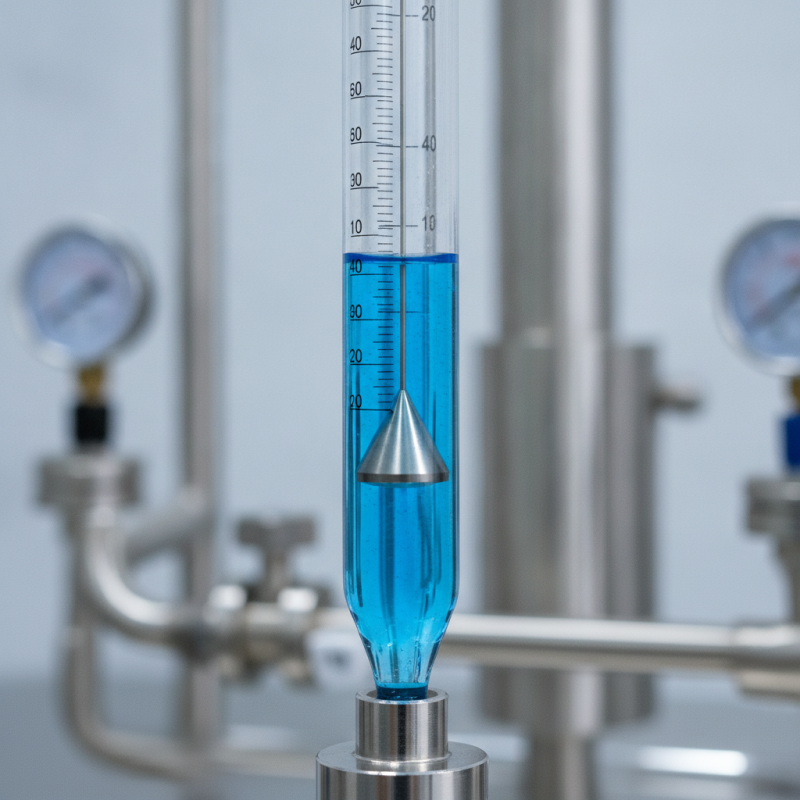
Rotameters are essential instruments for measuring fluid flow rates. They operate on the principle of variable area, where the flow rate of the fluid causes a float to rise within a tapered tube. The position of the float indicates the flow rate. This simple design makes rotameters reliable and easy to understand. Ideal for low to moderate flow rates, they are widely used in laboratories and industrial applications.
There are several types of rotameters. Glass rotameters provide visual flow indication, allowing users to see the float position easily. Plastic versions are lightweight and resistant to corrosion, suitable for harsh environments. Some rotameters are equipped with electronic sensors for enhanced accuracy and data logging. Each type has its strengths and potential drawbacks, such as limited pressure ranges or sensitivity to turbulence.
Understanding rotameters is crucial for selecting the right flow meter for your needs. Ensure that you consider the specific characteristics of your application. Factors such as fluid type, temperature, and pressure all influence your choice. Reflecting on these aspects can lead to a more informed decision, helping you avoid costly mistakes in the long run. Selecting the right rotameter can significantly impact operational efficiency, making it a decision worth careful thought.
Key Factors to Consider When Choosing a Rotameter
When selecting a rotameter flow meter, several key factors are crucial. Accuracy ranks high on the list. According to industry studies, a variance of just 1% can significantly affect fluid measurements. A flow meter that displays bad accuracy might lead to costly inefficiencies in operations. Look for models that provide a proven track record in accuracy across various applications.
Another important consideration is the fluid characteristics. The type of fluid influences the functionality of the rotameter. For example, viscous fluids require specific designs to ensure dependable flow measurement. Research indicates that roughly 70% of users incorrectly assess fluid compatibility, leading to selection mistakes. Make sure to evaluate density, temperature, and pressure of the fluid. Ensuring compatibility prevents performance issues down the line.
Installation and maintenance requirements also merit attention. Some models necessitate more regular upkeep, which can strain resources. Reports show that maintenance costs can account for up to 15% of operational budgets in certain industries. Ensure that the chosen rotameter has installation simplicity and minimal maintenance needs. This leads to reduced downtime and better long-term reliability. Always question whether the selected model meets your specific demands.
What is the Best Rotameter Flow Meter for Your Needs? - Key Factors to Consider When Choosing a Rotameter
| Measurement Range (GPM) | Accuracy (%) | Material | Connection Type | Temperature Range (°F) |
| 0.1 - 10 | ±2% | PVC | Threaded | 32 - 140 |
| 1 - 20 | ±1.5% | Stainless Steel | Flanged | 0 - 200 |
| 2 - 50 | ±1% | Brass | Sanitary | 32 - 180 |
| 5 - 100 | ±1% | Aluminum | Welded | 32 - 150 |
| 10 - 200 | ±0.5% | Polypropylene | Threaded | 32 - 140 |
Comparing Different Rotameter Technologies
When selecting a rotameter flow meter, understanding different technologies is essential. The two most common types are glass and plastic rotameters. Glass rotameters provide high accuracy and visibility of the flowing fluid. However, they are more fragile and can be affected by high pressure or temperature. Plastic rotameters, on the other hand, are less prone to breakage, making them ideal for harsher environments.
Tip: Always consider the operating conditions. If your application involves corrosive substances, materials must be chosen carefully. Environmental factors play a significant role, affecting the durability of the rotameter.
Another crucial aspect is the scale readability. Some rotameters come with a linear scale, while others feature a customizable scale. The choice depends on your specific measurement needs. An improperly calibrated scale can lead to significant errors in data collection.
Tip: Regular calibration and maintenance are vital for accuracy. Neglecting these factors can lead to performance inconsistencies over time. Ensure that your selected rotameter is consistently validated to maintain reliability.
Comparison of Different Rotameter Technologies
Applications of Rotameters in Various Industries
Rotameters are widely used in various industries to measure the flow of liquids and gases. Their simplicity and ease of use make them a preferred choice in many applications. According to a report from the American Society of Mechanical Engineers, over 30% of fluid measurement applications in the chemical industry rely on rotameters for consistent readings.
In the water treatment sector, rotameters help monitor flow rates and ensure proper dosage of chemicals. Their transparent tubes allow operators to see flowing fluids directly, making it easier to identify any discrepancies. This visibility is vital for maintaining quality control in water purification processes. A study from the Environmental Protection Agency indicates that accurate flow measurements can improve treatment efficiency by up to 15%.
However, rotameters are not without their challenges. Temperature changes can affect readings, leading to inaccurate data. Some industries report variances up to 10% in flow measurement under varying conditions. This inconsistency highlights the need for careful installation and regular maintenance. Understanding these potential shortcomings is crucial for making informed decisions on flow measurement solutions. Rotameters remain invaluable, but users should be aware of their limitations in specific scenarios.
Maintenance and Calibration for Optimal Rotameter Performance
To ensure optimal performance of your rotameter flow meter, regular maintenance and calibration are essential. These tasks not only extend the life of the device but also enhance measurement accuracy. Dust, dirt, and residue can accumulate inside the rotameter over time. This buildup can lead to flow obstruction, resulting in misleading readings. A routine cleaning schedule can help avoid these pitfalls.
Calibration is another vital aspect to consider. Even the best rotameters can drift from their original settings. Regular checks against a known standard ensure that your readings remain reliable. Use calibrated instruments for comparison. It is also wise to document calibration dates, as this creates a clear history for future reference. A lapse in these practices might result in underperformance, impacting your processes directly.
In some instances, you may notice fluctuations in readings even after maintenance. This could indicate the need for further investigation into the flow system. Sometimes, unexpected factors contribute to inaccuracies. Reflecting on these instances helps identify areas for improvement. Understanding the nuances of your specific application can lead to more effective use of your rotameter.
