Top 10 Benefits of Flex PCB Assembly for Your Business?
Flex PCB assembly is transforming modern electronics. This innovative technology provides numerous advantages to businesses seeking efficiency and flexibility. These printed circuit boards are lightweight and adaptable, making them ideal for various applications, from consumer electronics to medical devices.
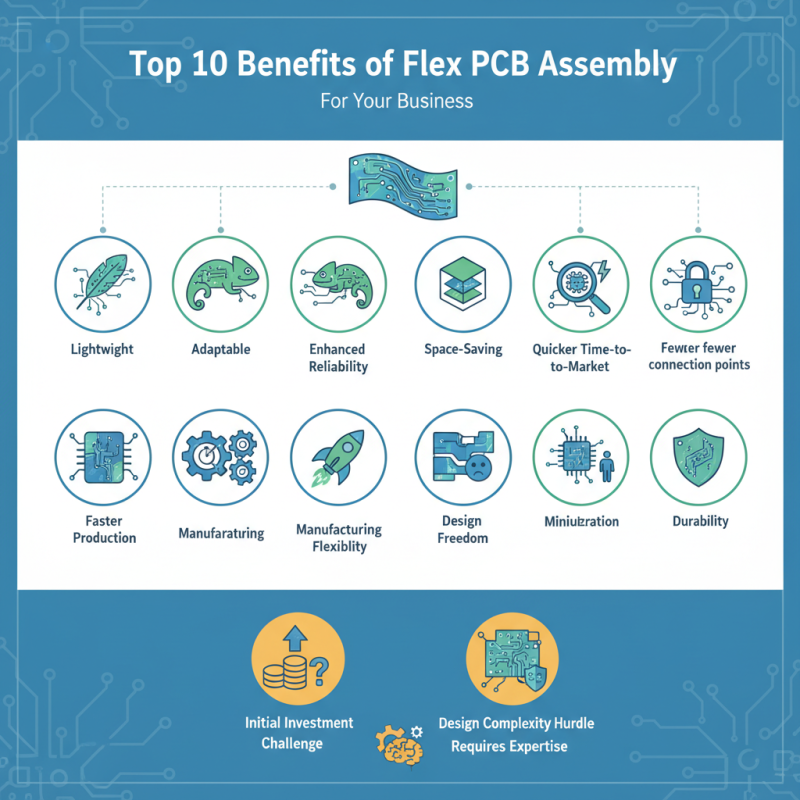
One significant benefit of flex PCB assembly is its ability to save space. Compact designs can be achieved, allowing for more intricate and functional products. Moreover, this technology enhances the reliability of circuits. By minimizing the number of connections, it reduces potential failure points. However, some companies may struggle with the initial investment and complexity in design.
Another notable advantage is the speed of production. Flex PCBs can often be fabricated and assembled more quickly than traditional options. This increase in speed can lead to faster time-to-market for new innovations. Yet, businesses must ensure they have the right expertise to optimize the assembly process. Flexibility in manufacturing and design can be a game-changer, but it requires careful consideration and planning.
Benefits of Flex PCB Assembly for Cost Efficiency in Manufacturing
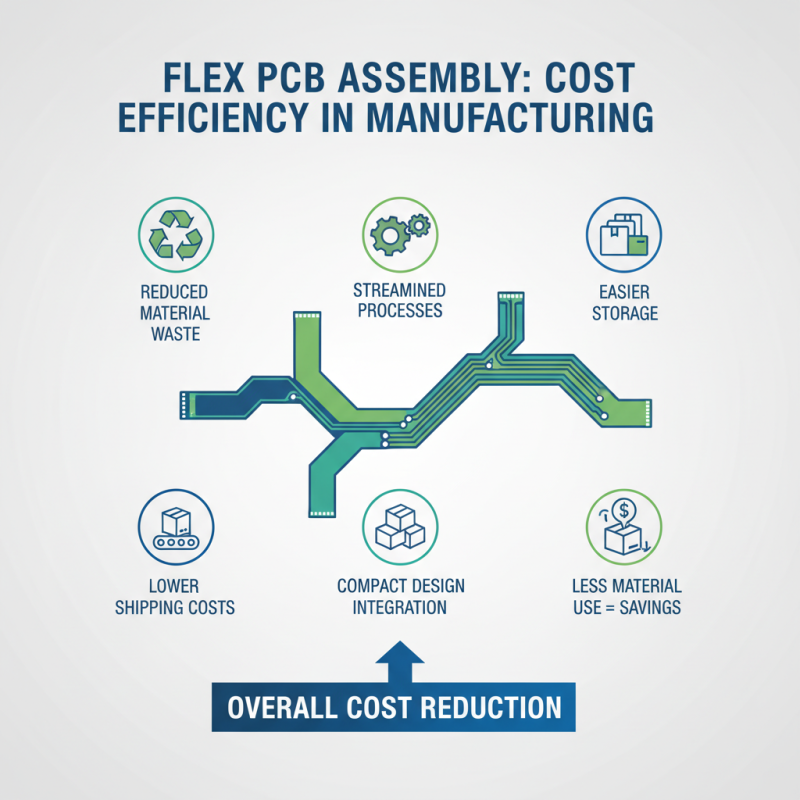
Flex PCB assembly can significantly enhance cost efficiency in manufacturing processes. These flexible circuit boards minimize material waste. Their design allows for integration into tighter spaces, reducing the overall size of devices. This space-saving feature can lead to lower shipping costs and easier storage options. Smaller products often require less material, contributing to overall cost reduction.
Automating flex PCB assembly can streamline production. Automation increases speed and precision, lowering labor costs and reducing the potential for human error. However, the initial investment in automation can be high. Adopting these technologies requires careful consideration of long-term savings versus upfront expenditures. Not all facilities will see immediate benefits, which makes strategic planning crucial.
Flex PCBs also enable quicker time-to-market. Faster prototyping and more efficient manufacturing cycles can help businesses respond to market demands swiftly. Yet, flexibility in assembly might introduce complexities in production. Companies may face challenges in adapting to this technology without adequate training. Balancing the advantages and potential pitfalls is essential for realizing the full benefits of flex PCB assembly.
Improving Product Design Flexibility with Flex PCB Technology
Flex PCB technology enhances product design flexibility significantly. This innovation allows designers to create compact and lightweight devices without sacrificing performance. The ability to bend and stretch the circuitry means that products can fit into tighter spaces and unusual shapes. For instance, in wearable technology, flexibility is essential for comfort and functionality.
With improved design flexibility, engineers can explore more creative solutions. The incorporation of flex PCBs into medical devices can lead to innovative designs that improve patient comfort. However, there are challenges. Designers may struggle with bending radius limitations. Moreover, the manufacturing process can complicate design modifications. These considerations highlight the need for careful planning during product development. Balancing innovation with practicality often requires multiple iterations, which can be time-consuming and costly.
Flex PCBs also present potential issues related to durability. While they offer great flexibility, they may not always withstand harsh conditions. Careful selection of materials is crucial for long-term reliability. Despite these challenges, the potential benefits are substantial. Businesses willing to embrace flex PCB technology can create cutting-edge products that stand out in the market.
Enhancing Performance and Reliability through Flex PCBs
Flex PCBs, or flexible printed circuit boards, offer significant advantages for modern electronics. Their unique ability to bend, twist, and fold increases design versatility. According to a report by the IPC, approximately 22% of the market share in 2022 was attributed to flexible circuitry. This trend indicates a growing reliance on Flex PCBs for high-performance applications.
Enhanced performance and reliability are crucial in today's fast-paced environment. Flex PCBs can improve signal integrity due to their reduced inductance and capacitance. A 2020 study by Electronics Weekly highlights that 95% of engineers reported fewer failures in products using Flex PCBs compared to rigid boards. This reduction in failure leads to longer product lifespans, which can significantly cut costs for manufacturers.
Despite their advantages, challenges exist. Designing Flex PCBs requires knowledge of material properties and manufacturing techniques. Engineers must also consider stress points during flexing. While their benefits are clear, the potential for error in design persists. Companies must invest in training to mitigate these risks, ensuring that they harness the full potential of Flex PCB technology efficiently.
Top 10 Benefits of Flex PCB Assembly for Your Business
This chart illustrates the top benefits of using Flex PCB assemblies in various business applications. The benefits are measured based on a relative performance index ranging from 0 to 100, showcasing how Flex PCBs can enhance your product development and reliability.
Streamlined Assembly Processes: Advantages of Flex PCB Implementation
Flexible PCB (Printed Circuit Board) assembly offers substantial advantages for businesses. Streamlined assembly processes stand out as a key benefit. Flex PCBs can adapt to various shapes and sizes, reducing the need for multiple rigid boards in a device. This flexibility can shorten production times by allowing faster assembly. According to recent industry reports, flexible PCBs can decrease assembly time by up to 30%, significantly boosting productivity.
The lightweight nature of flex PCBs enables manufacturers to create more compact designs. This reduces material costs and enhances product performance. By minimizing the number of connections needed, businesses can lower their failure rates. A study published in the Journal of Electronic Packaging indicated that integration of flex PCBs can cut connection failures by over 50%.
Tip: Always assess your design requirements before switching to flex PCBs. While the benefits are clear, not every application may need this level of flexibility.
Proper training for assembly staff is crucial. A well-trained team can maximize the advantages of flex PCBs. Inadequate training may lead to mishaps that counteract the benefits. Keeping the assembly process efficient requires consistent quality checks.
Tip: Implement regular reviews of your assembly process. This will help identify issues early, ensuring optimal performance throughout production.
Reducing Space Constraints in Electronics with Flex PCB Solutions
Flex PCB assemblies offer a compact solution for electronics. They help reduce space constraints, making them ideal for modern devices. These flexible circuits can bend and wrap around components, maximizing design efficiency. This adaptability allows manufacturers to create smaller, lighter products without compromising functionality.
When considering flex PCBs, think about design intricacies. Ensure your layout optimizes space while maintaining signal integrity. Pay attention to the thickness of the materials used. A thinner PCB might save space but can also be less durable. Balance is critical.
Another tip is to evaluate the assembly process. Flex PCBs often require specialized techniques. Working with experienced manufacturers can help. They understand the nuances of flex technology and can guide you through potential pitfalls. Be ready to learn from mistakes during prototyping. Flex designs may not always work on the first try. This iterative process is essential for achieving the best results.