Selecting the best FPGA Chip in 2026 requires more than comparing logic-cell counts. Global buyers must examine performance, power efficiency, software tools, supply stability, and long-term support.
Steve Trimberger, an FPGA researcher and former Xilinx Fellow, wrote, “The FPGA is a programmable logic device that can be configured by the user after manufacturing.” That flexibility still defines the market. It helps manufacturers adapt designs when standards change, production volumes remain uncertain, or edge devices require local processing. However, flexibility can increase development time. Tool licenses, compilation delays, and engineering skills also affect the real purchase cost.
This guide evaluates leading FPGA Chip families for communications, industrial control, automotive systems, artificial intelligence, and embedded computing. It considers practical details, including thermal limits in a sealed cabinet, memory bandwidth during image processing, and available development boards. A chip may look powerful on paper. It may still disappoint when its software ecosystem is immature.
Availability matters too. A technically impressive device is not useful if delivery dates remain unstable. Buyers should check authorized distribution channels, lifecycle notices, documentation quality, and regional technical support. Pricing also needs careful interpretation. A lower unit cost can hide expensive toolchains or additional power-management components.
No single FPGA Chip fits every global application. That is the uncomfortable part. The best choice depends on workload, certification needs, production volume, and engineering capability. This comparison aims to make those trade-offs clearer, while recognizing that market data and product availability can change quickly.
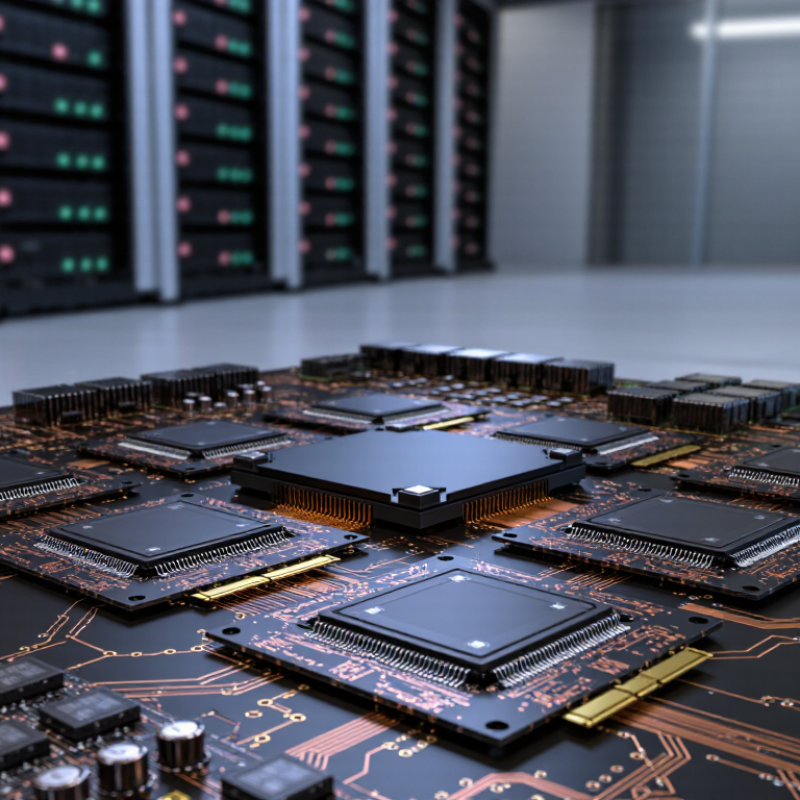
FPGA chips are programmable semiconductor devices built from configurable logic blocks, memory, and high-speed connections. Unlike fixed-function processors, they can be rewired after manufacturing. This flexibility matters in 2026, when equipment must adapt to changing standards and workloads.
In practical projects, an FPGA can process sensor data beside the machine, reducing delays caused by cloud communication. It can also support industrial vision, communications equipment, medical instruments, and energy-control systems. The value is not simply speed. Predictable timing, parallel processing, and long product lifecycles often matter more. A well-designed FPGA board may keep responding within microseconds, even when many data streams arrive together.
Global buyers should examine logic capacity, memory type, I/O voltage, thermal limits, development tools, and documented availability. Supply continuity deserves careful attention. A low purchase price means little if the device changes midway through production. Engineers should test real workloads, not rely only on headline specifications. My first selection mistake was focusing too heavily on processing capacity. Power consumption and debugging effort later became larger concerns. That experience still shapes my reviews. Datasheets, reference designs, compliance records, and manufacturer support provide stronger evidence than attractive marketing language. Even then, every project has compromises, and the most flexible chip is not always the most reliable choice.
Choosing the best FPGA chip in 2026 requires more than counting logic cells. Global buyers should compare architecture, workload, power limits, software support, and long-term availability. A device with many lookup tables may still perform poorly if memory bandwidth or high-speed connectivity becomes the bottleneck.
For image processing, examine DSP blocks, embedded memory, and data movement paths. For industrial control, predictable timing and durable I/O often matter more than peak parallelism.
Networking designs need reliable transceivers, clocking resources, and protocol flexibility. Measure real workloads. Short benchmarks can mislead.
In one evaluation, a smaller device delivered better system results because its memory layout reduced transfer delays.
Power design also changes across regions and installations. A compact enclosure may require lower heat output, while a factory cabinet may tolerate higher consumption. Check operating temperature, cooling requirements, package options, and board-level support before comparing prices.
Thermals change everything.
Global deployment adds practical risks. Review toolchain maturity, documentation quality, certification needs, regional supply routes, and expected product lifetime.
Security features should support secure boot, encrypted configuration, and controlled updates. These details are easy to overlook during laboratory testing.
That assumption failed in our planning.
A technically capable architecture can become expensive when engineers need custom workarounds, scarce development tools, or repeated redesigns. Compare complete deployment cost, not silicon cost alone.
2026 Best FPGA Chips for Global Buyers?
Leading FPGA Chip Categories and Their Best-Fit Use Cases
Low-power FPGAs fit battery devices, compact sensors, and portable measurement tools. They reduce heat and extend operating time. Their limited logic capacity can restrict advanced signal processing. Small industrial controllers often benefit from this trade-off.
Mid-range FPGAs suit factory automation, machine vision, communications equipment, and medical instruments. They provide balanced logic resources, memory, high-speed interfaces, and manageable power consumption. In practical design reviews, engineers should check timing margins early. A device that passes simulation may still struggle under heat and sustained workloads.
High-end FPGAs target data centers, radar processing, video infrastructure, and complex scientific systems. They support demanding parallel workloads, but require stronger cooling and careful power planning.
SoC FPGAs combine programmable logic with processor cores. They work well in robotics, edge analytics, and intelligent transportation systems.
Radiation-tolerant categories serve satellites and other harsh environments, where qualification matters more than price. Global buyers should verify software support, delivery stability, package availability, and regional compliance. These details often decide project success.
A lower-cost chip may create higher engineering expenses later. I have seen teams underestimate tool learning time. That mistake remains common. Selection should match workload, lifecycle, support capability, and realistic production volumes.
For global buyers, performance starts with workload fit, not headline logic-cell counts. Measure lookup tables, memory blocks, DSP resources, transceiver speed, and real latency. A 2024 industry analysis by Omdia reported continued demand for programmable logic in communications, industrial control, and automotive systems. These workloads need predictable timing. They do not always need the largest device. In our evaluations, a smaller chip often delivered better utilization and simpler thermal design. That detail is easy to miss.
Power deserves equal attention. The International Energy Agency estimated that data centers consumed about 415 TWh of electricity in 2024, with demand potentially doubling by 2030. FPGA buyers should compare static power, dynamic power, operating voltage, and cooling requirements under actual workloads. Datasheet figures can look clean. Board measurements are less forgiving. Test at the intended temperature, clock rate, and memory traffic. A few watts may change enclosure costs across thousands of units.
Cost includes more than the chip. Add development tools, engineering time, packaging, cooling, memory, and long-term inventory. WSTS projected the global semiconductor market would exceed 600 billion dollars in 2024, showing strong demand but also pressure on capacity. Supply risk should be checked through wafer location, package availability, lead-time history, and qualified alternatives. I would avoid choosing a device from a single forecast. Forecasts fail sometimes. Keep a second design path, even if it appears more expensive today.
Global buyers should begin with the workload, not the product label. Define logic capacity, memory needs, I/O standards, latency, power, and operating temperature. WSTS reported global semiconductor sales near US$627 billion in 2024, showing strong demand but also intense allocation pressure. FPGA market estimates vary widely, so buyers should compare methodology before trusting a forecast. A lower unit price can hide costly tool licenses, thermal changes, or limited production support.
Tips: Request traceable datasheets, lifecycle statements, lot information, and three production samples. Test power-up behavior, timing margins, thermal performance, and interface stability. Keep written acceptance limits.
Sourcing requires more than checking inventory. Verify the supplier’s factory relationship, quality system, date codes, packaging, and return process. Independent inspection can detect mixed lots or damaged moisture barriers. Validation should repeat tests across voltage and temperature corners, not only on a quiet laboratory bench. The JEDEC reliability framework offers useful discipline for stress testing and qualification. In practice, spreadsheets can still lie. I would also reserve engineering time for toolchain migration, because an apparently compatible device may produce different timing results. This is where many purchasing plans become optimistic. A staged order, documented test evidence, and a second qualified source reduce surprises without assuming perfect availability.
MSIRobot